Shortlisted finalist in RIBA International competition ‘Rethink 2025’
In May 2020 the RIBA invited submissions for speculative proposals to tackle issues arising from the pandemic. We came up with the idea of a ‘Village City’.
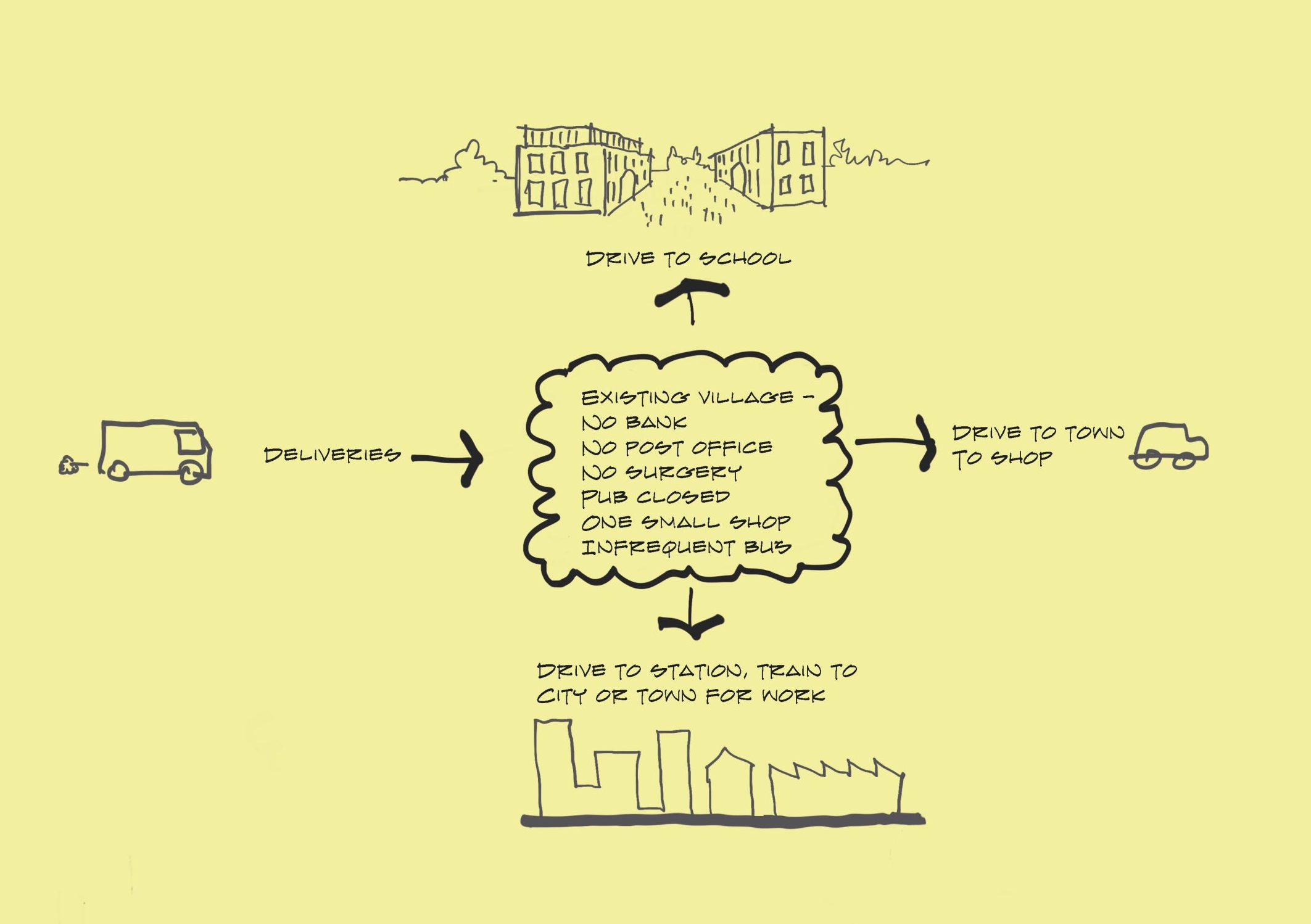
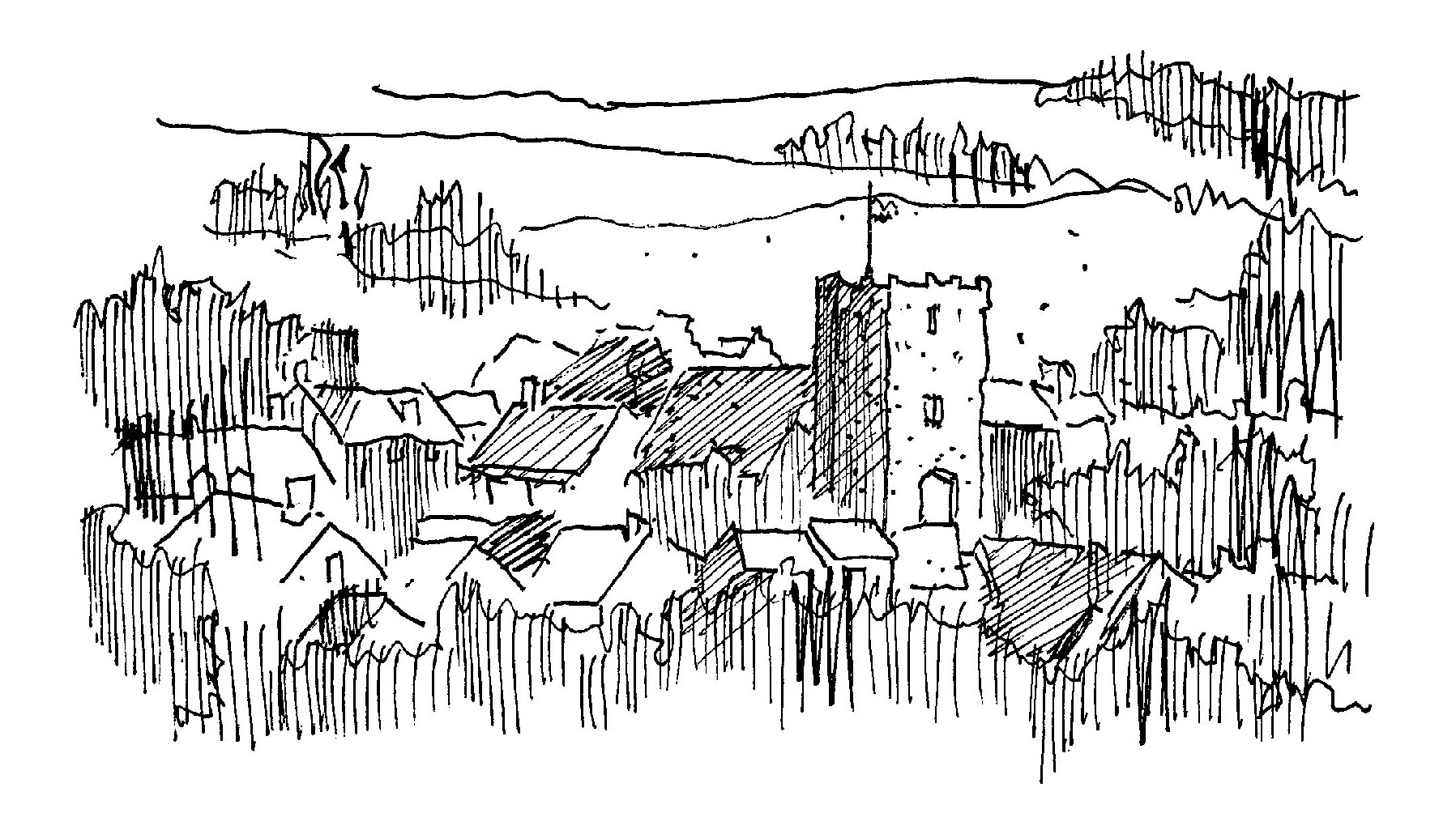
11.4 million people in England live in predominantly rural areas. Villages have suffered loss of amenity over decades. More centralised retail outlets, including supermarkets, force rural populations to drive to shops. Rural public transport is poor. Grocery deliveries reduce car journeys but also social interaction.
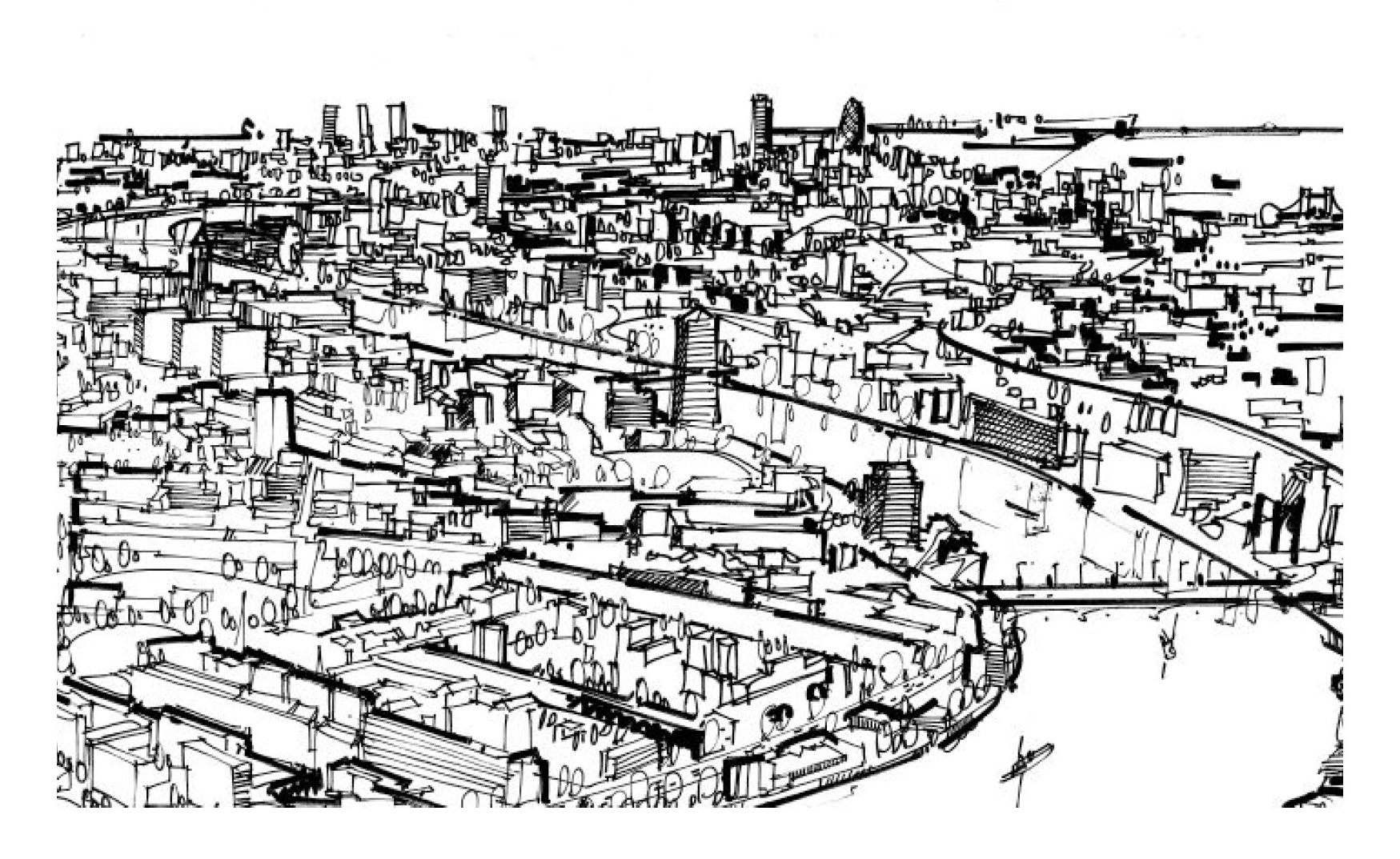
Predominantly, employment is in large towns and cities, requiring a daily commute on stretched public transport networks or congested roads.
Recent years have seen more flexible working arrangements: working from home, part-time employment, reduced commutes. This reflects shifts in work-life balance but also better and faster digital connectivity.
The onset of Covid-19 forced a new way of living and working for everyone. Apart from key workers, much of the working population found themselves turning part of their house into an office. Virtual meetings allowed business and social contact to continue. If internet connection is good, a village can become a city. With only essential travel permitted, air quality improved dramatically. The need to stay mentally and physically fit saw a significant increase in walking, running and cycling.
How do we allow villages to retain their character but be fit for the future? How do we re-invest the concept of localism – local food supply, local health and elderly care, local employment and, crucially, local decision making? And how do we capitalise on the improved air quality and the move to zero carbon?
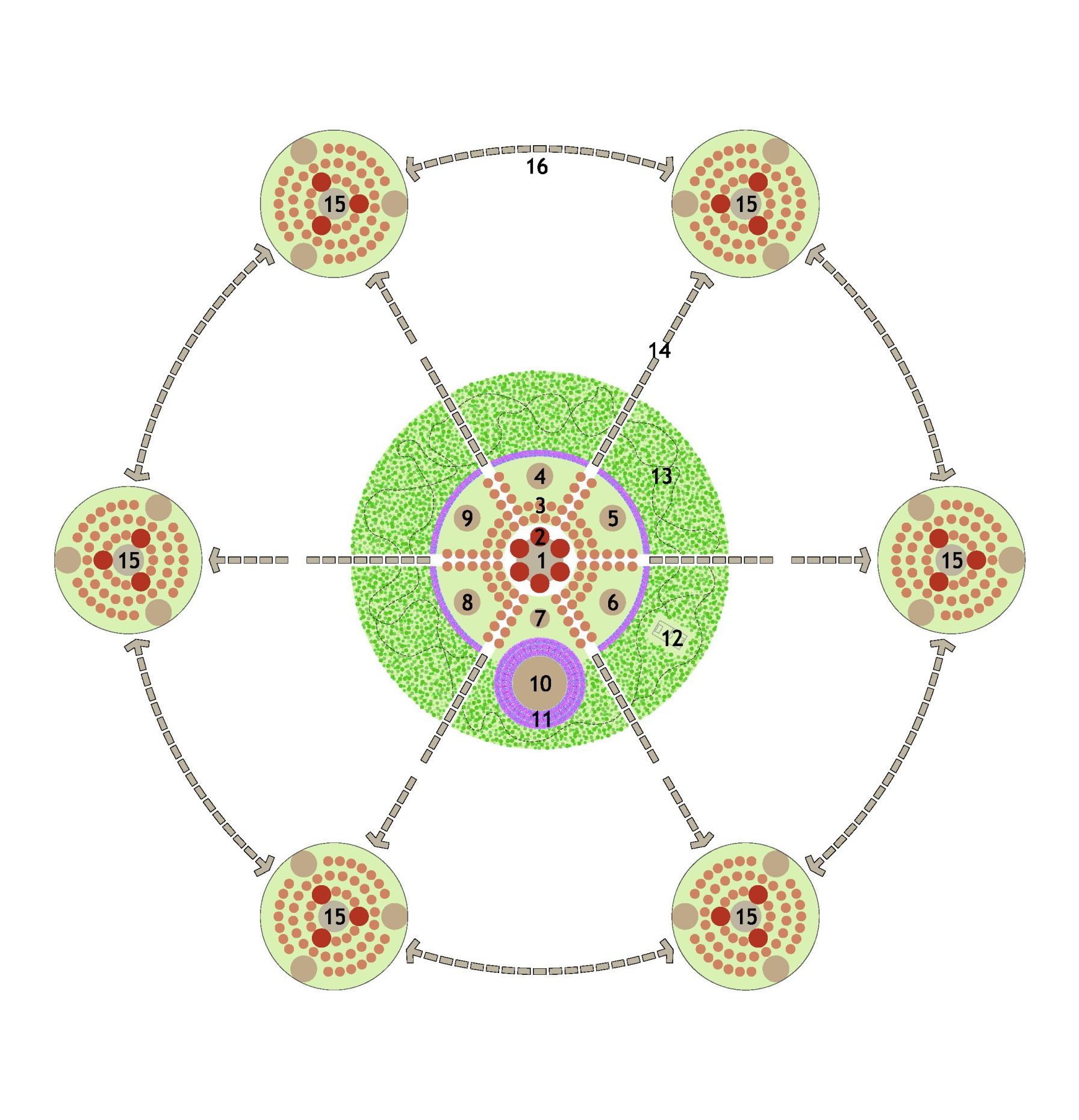
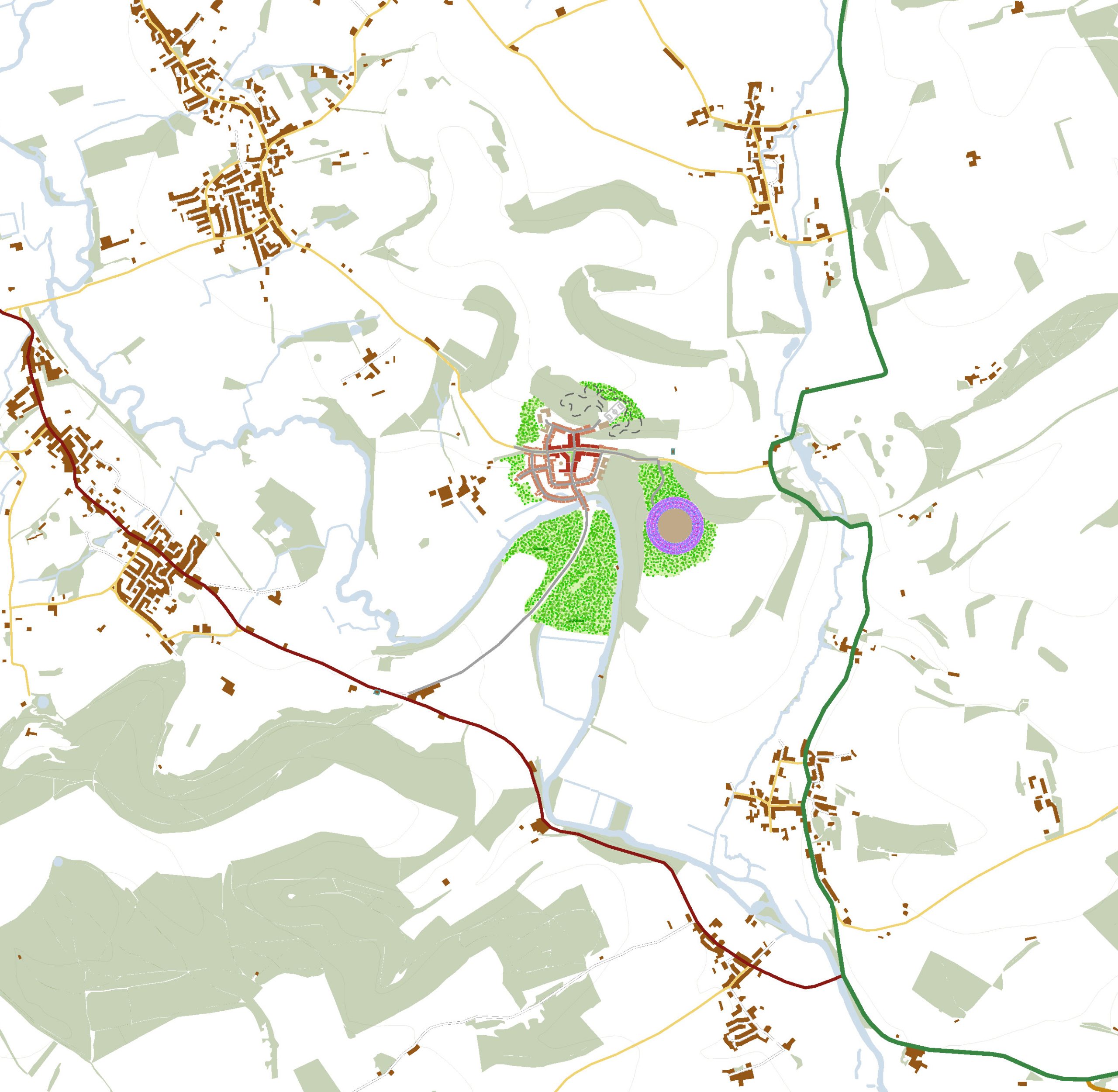
The answer may be the Village City. It is conceived as a new development built at the focal point of a cluster of existing villages, containing a mix of public facilities (according to need), mixed-tenure housing, an energy centre and extensive tree planting into a compact, coherent whole, connected to existing villages and hamlets using existing roads where possible. It re-imagines Ebenezer Howard’s Garden City diagram, but at a rural scale.
Typically, the Village-City should offer the following facilities: a health centre; a care home; sheltered housing; shops; a bank or post office; a cafe; a learning resource centre for workshops and evening classes; office leasing facilities for meetings and small businesses; a gym or sports hall; a renewable energy centre. The proposed planting of 40,000 trees around the Village-City forms part of a national reforestation effort and will offer running and cycling trails.
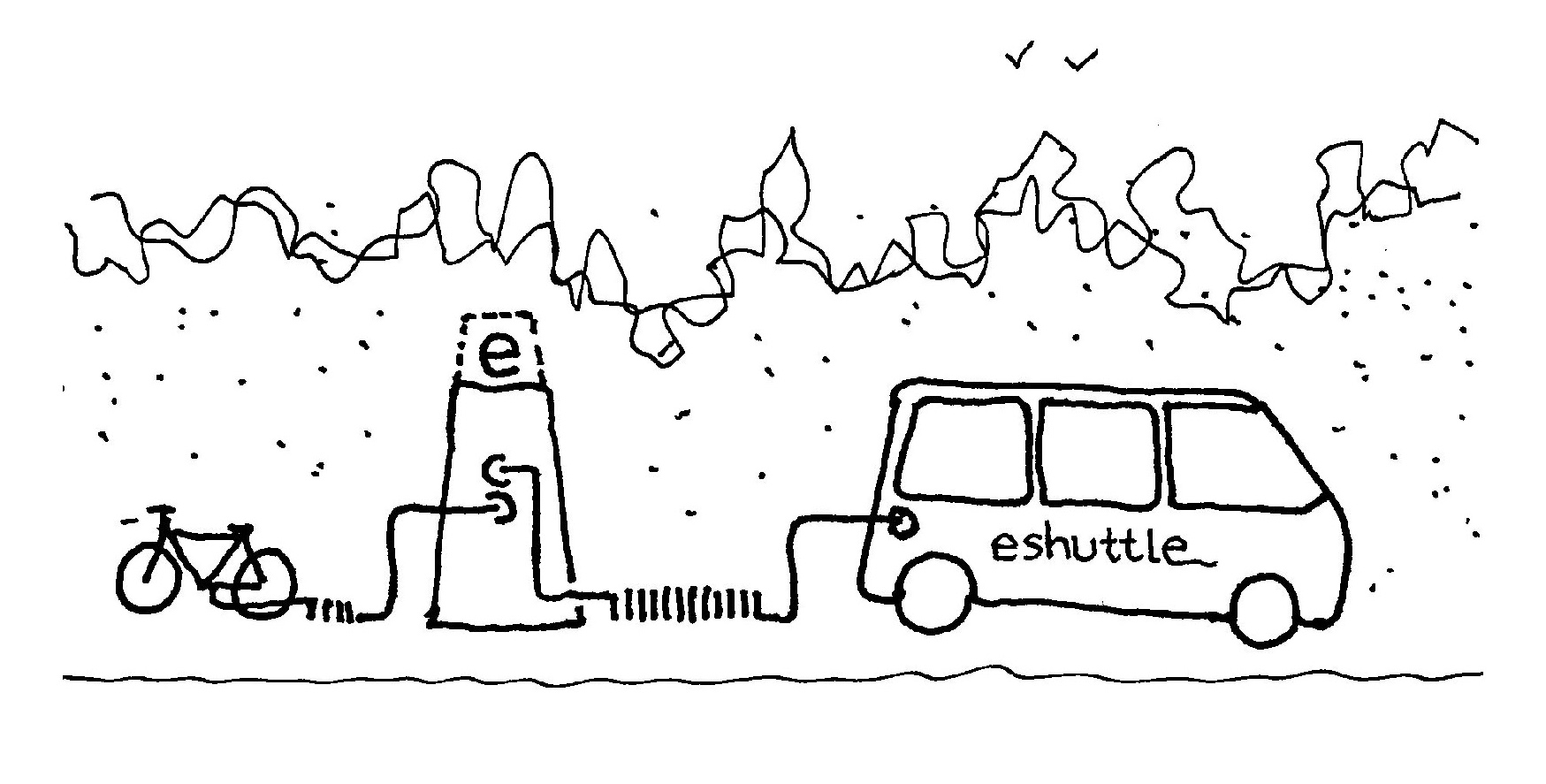
The Village-City is ideally within 4km of an existing village. A walk there and back is 10,000 steps. Electric shuttle buses, e-bikes and electric car share services provide alternative transportation in this village network. New foot and cycle paths would reinforce the connectivity.
The Village-City would require reform to local planning frameworks and devolution of bureaucratic centralised power to local associations and community groups representing local interests. A coordinated and tiered planning structure would allow these new village networks to coincide with others, creating regional webs which respect the gradual shifts in geography, geology and regional character.
The Village-City and its satellite settlements become a self-sustaining entity, reinforcing social welfare and the cohesion of a wider community.